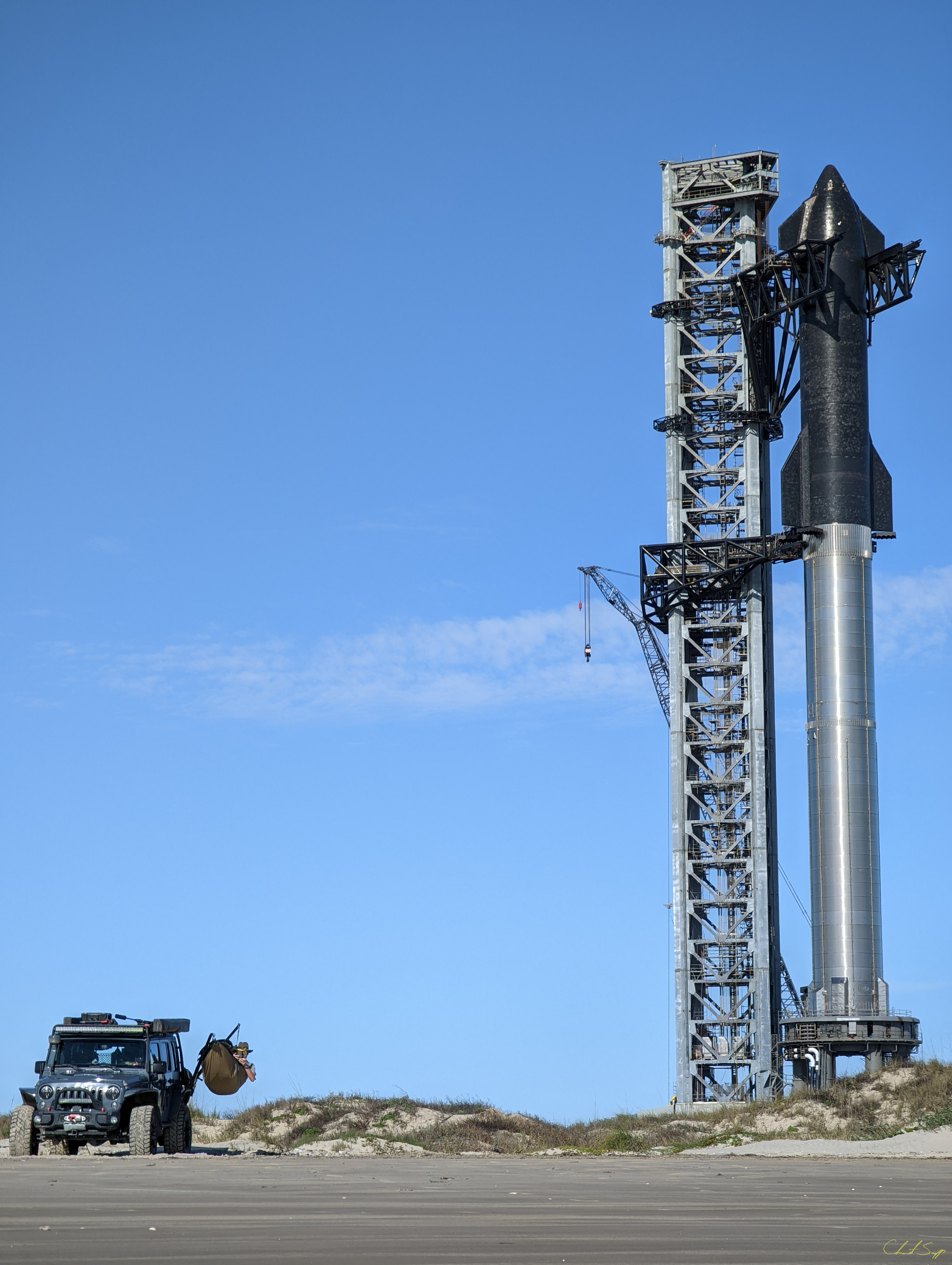
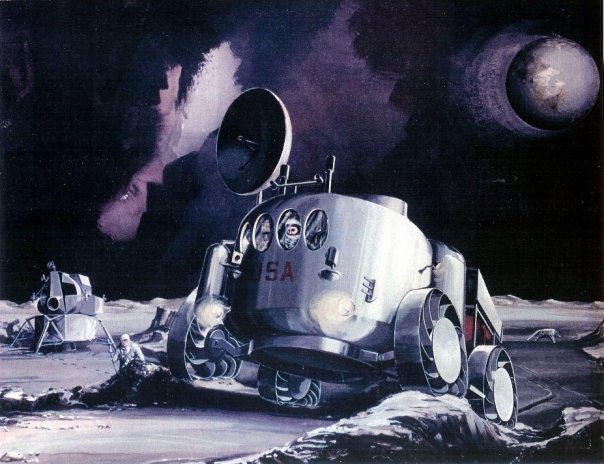
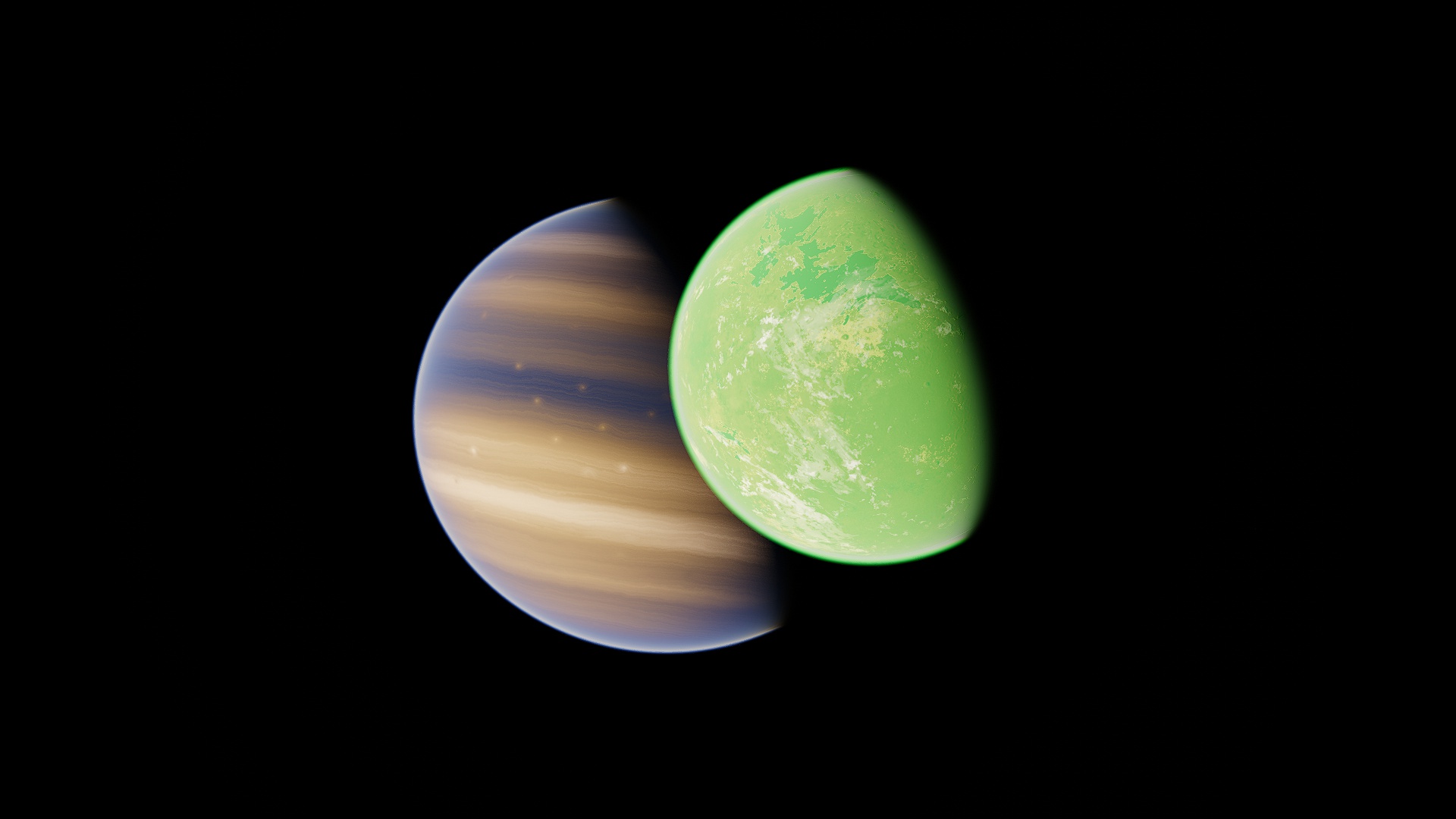
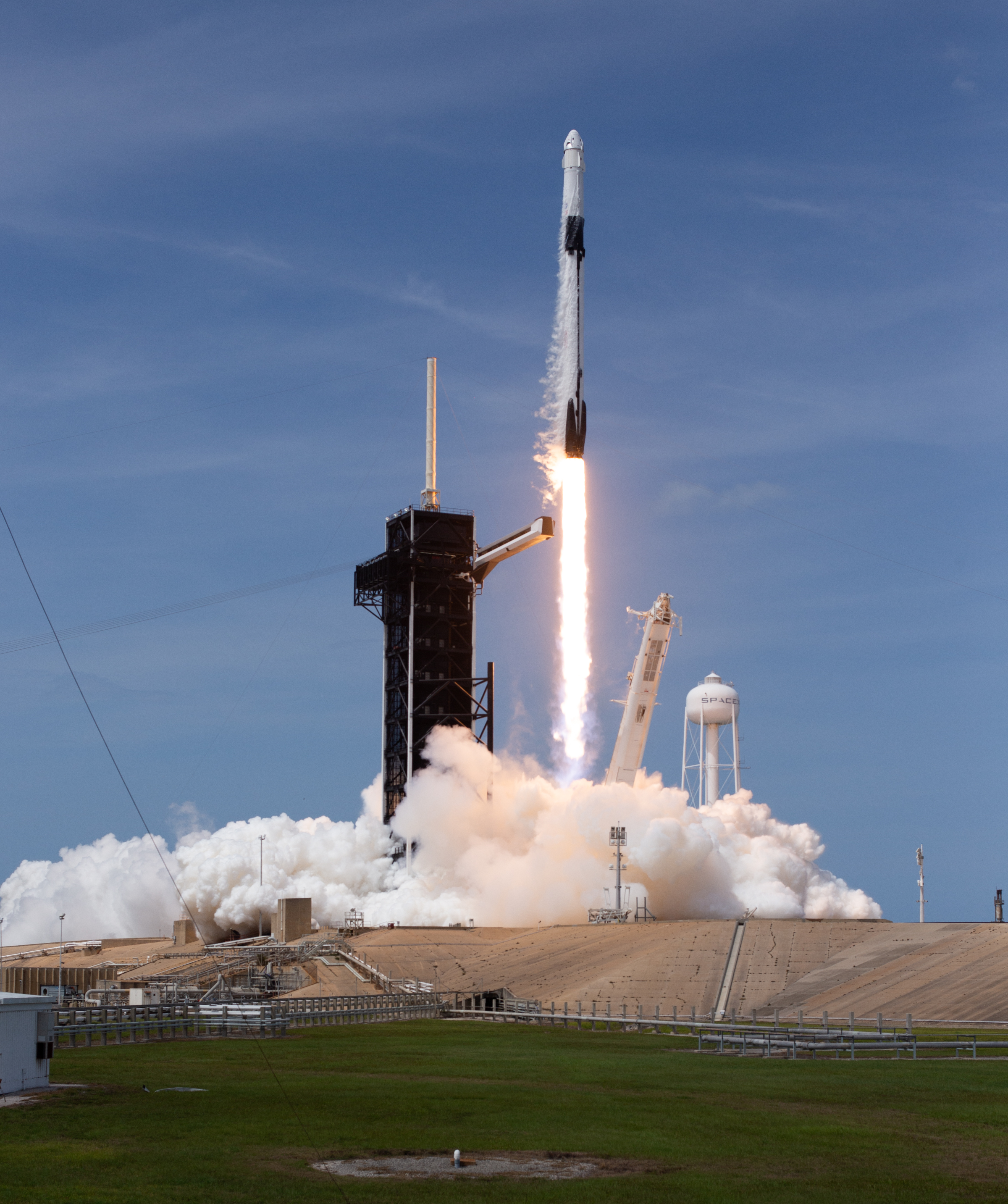
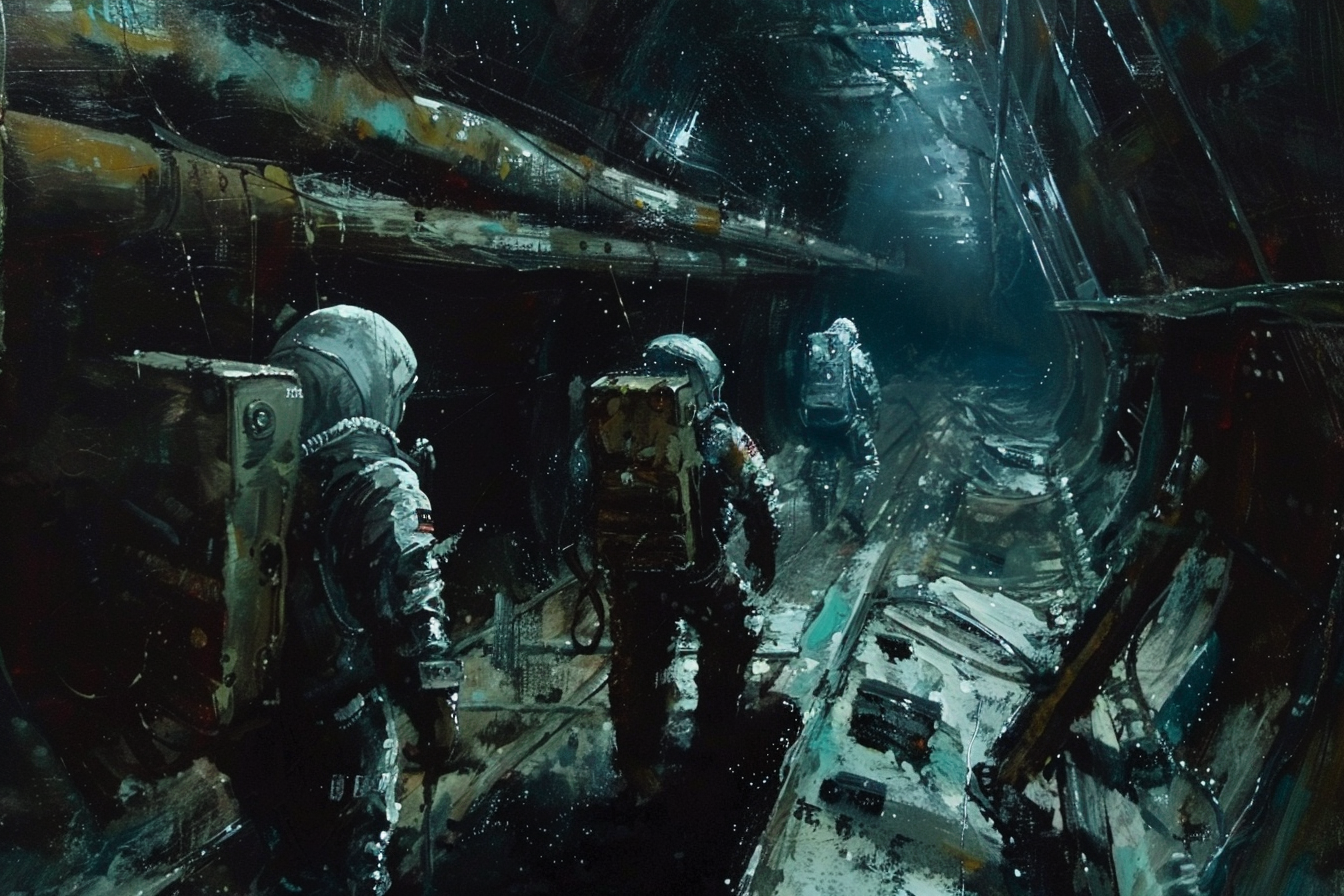
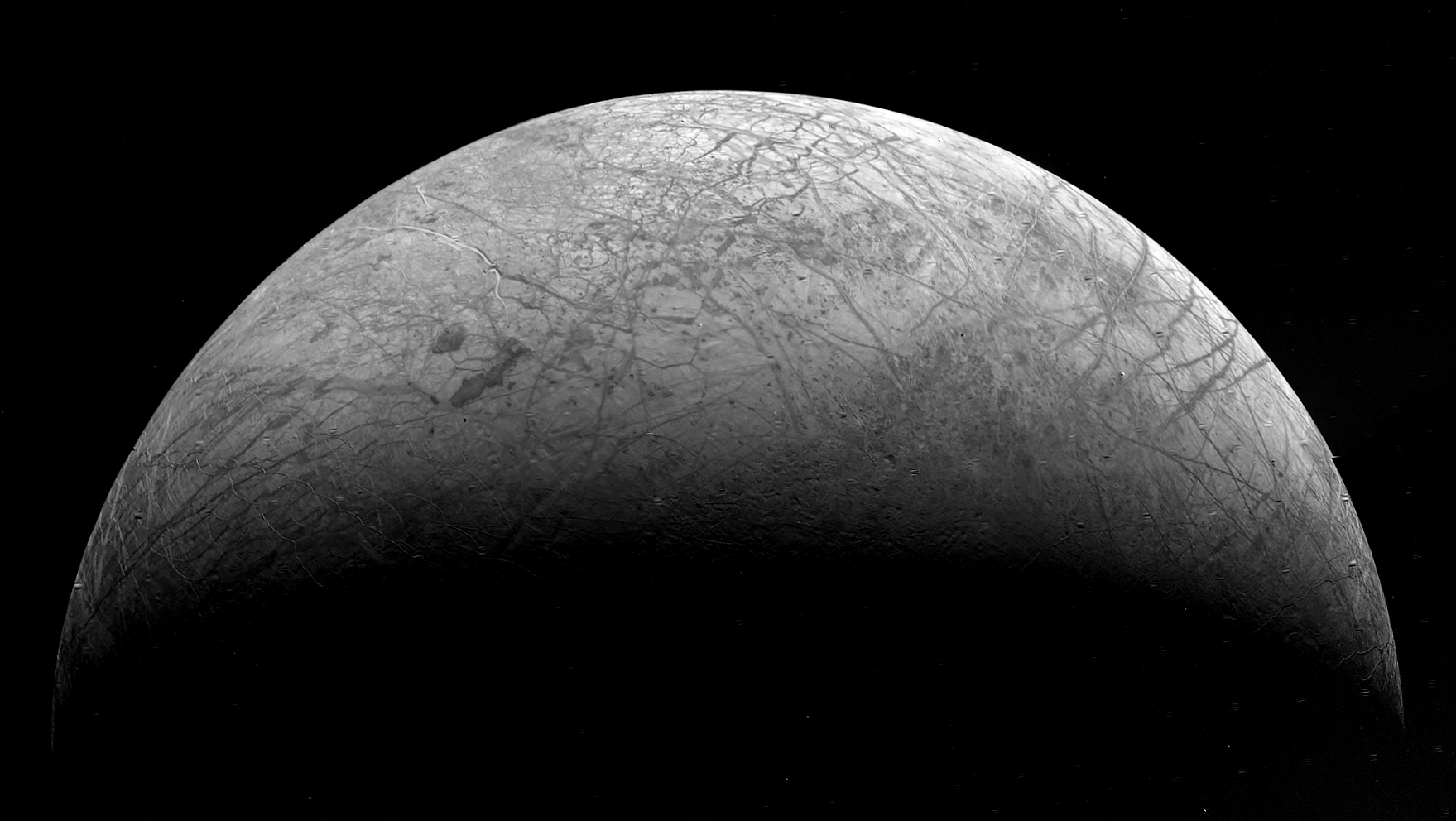
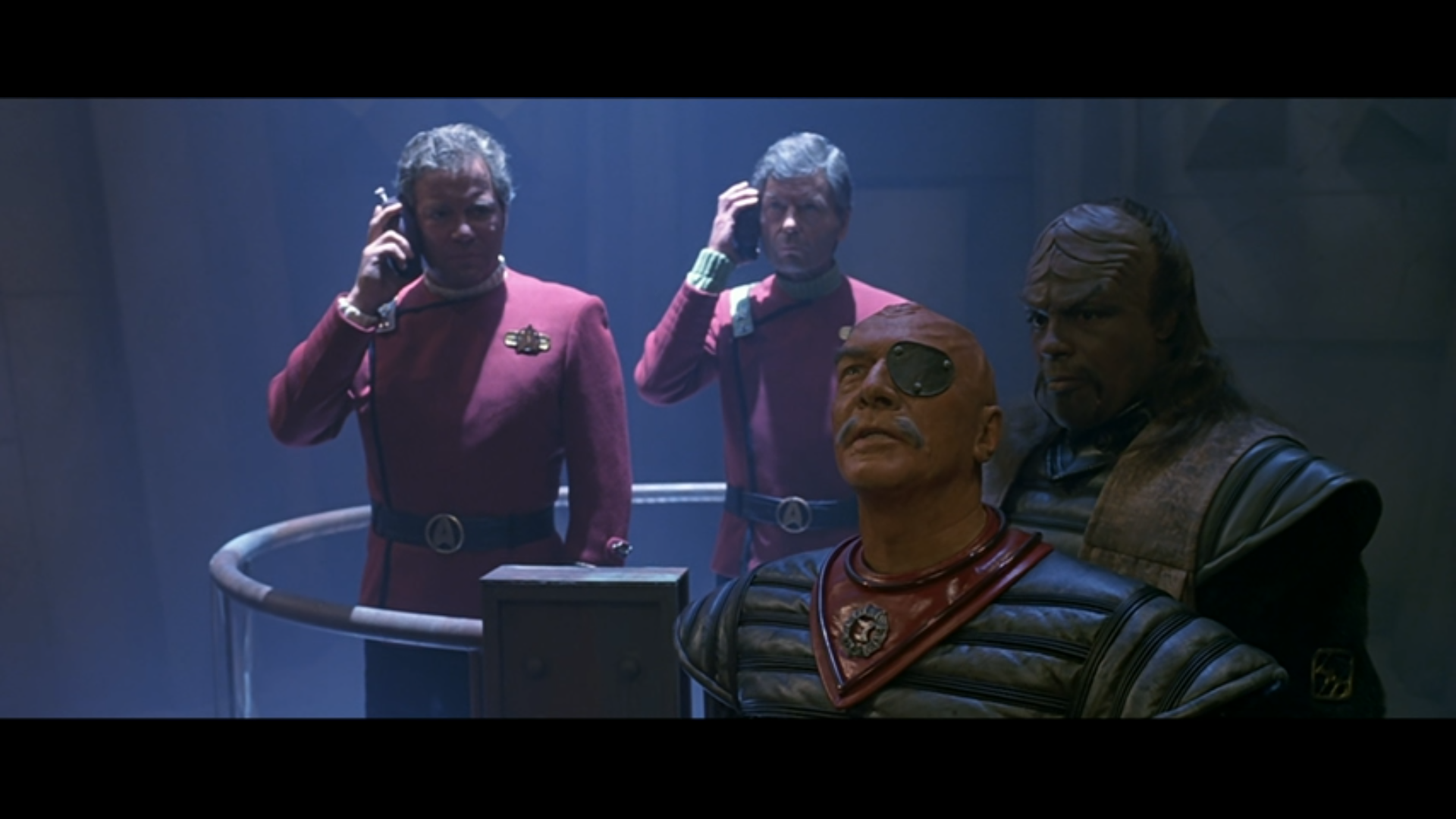
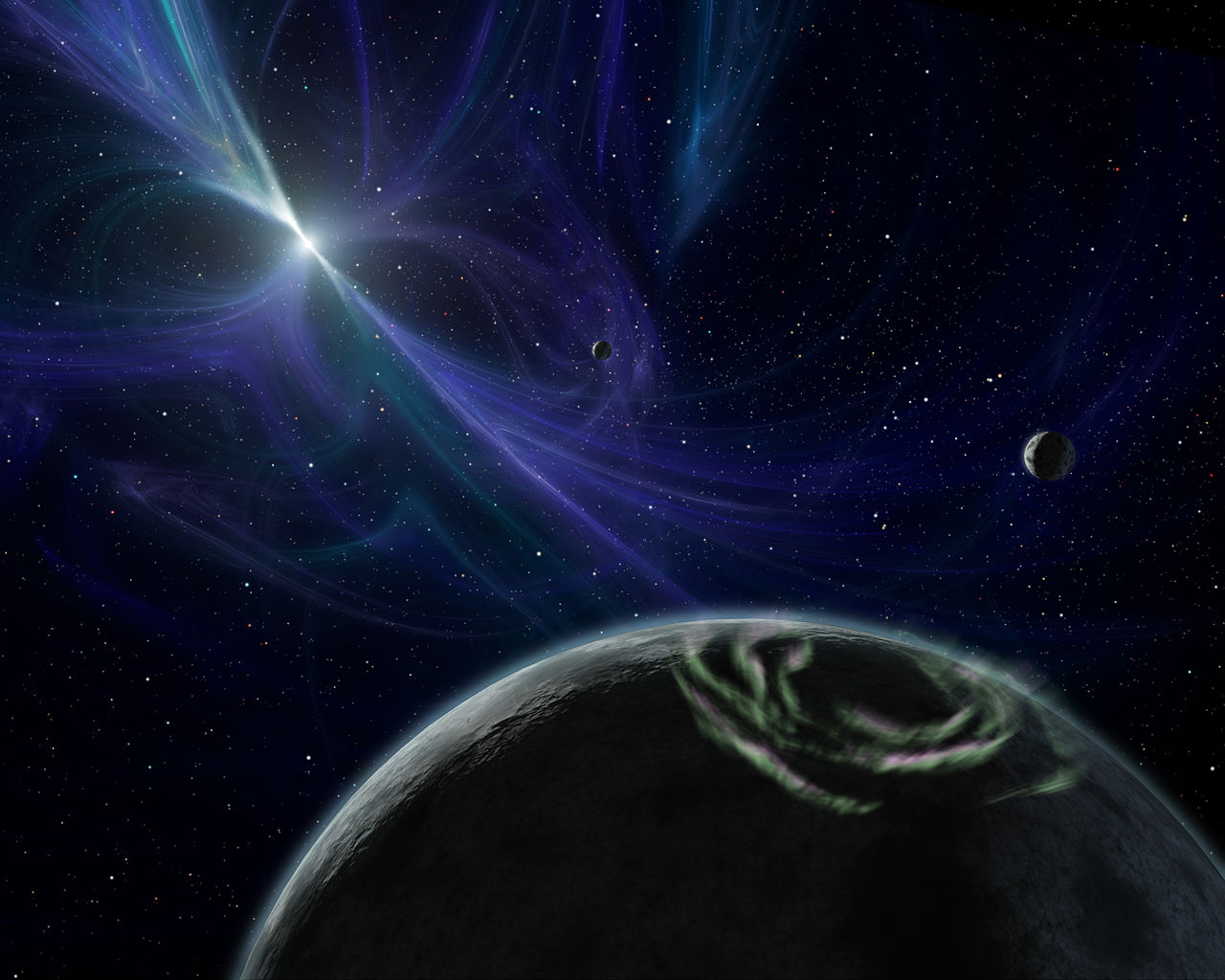
It’s been the better part of a year since I posted my early experiments with Midjourney. Today, in what may be one of my shorter, sillier pieces, I’ll fill you in on my antics during the intervening time. It’s stunning how far generative AI has advanced just while I’ve been using it; if I were in charge—as I should be, obviously, as unelected dictator for life—the whole thing would be slowed down several notches, but for now it seems we’re riding the AI train as fast as it will go. At least we can make some nifty JPEGs on our way to the dystopian cyberpunk future.

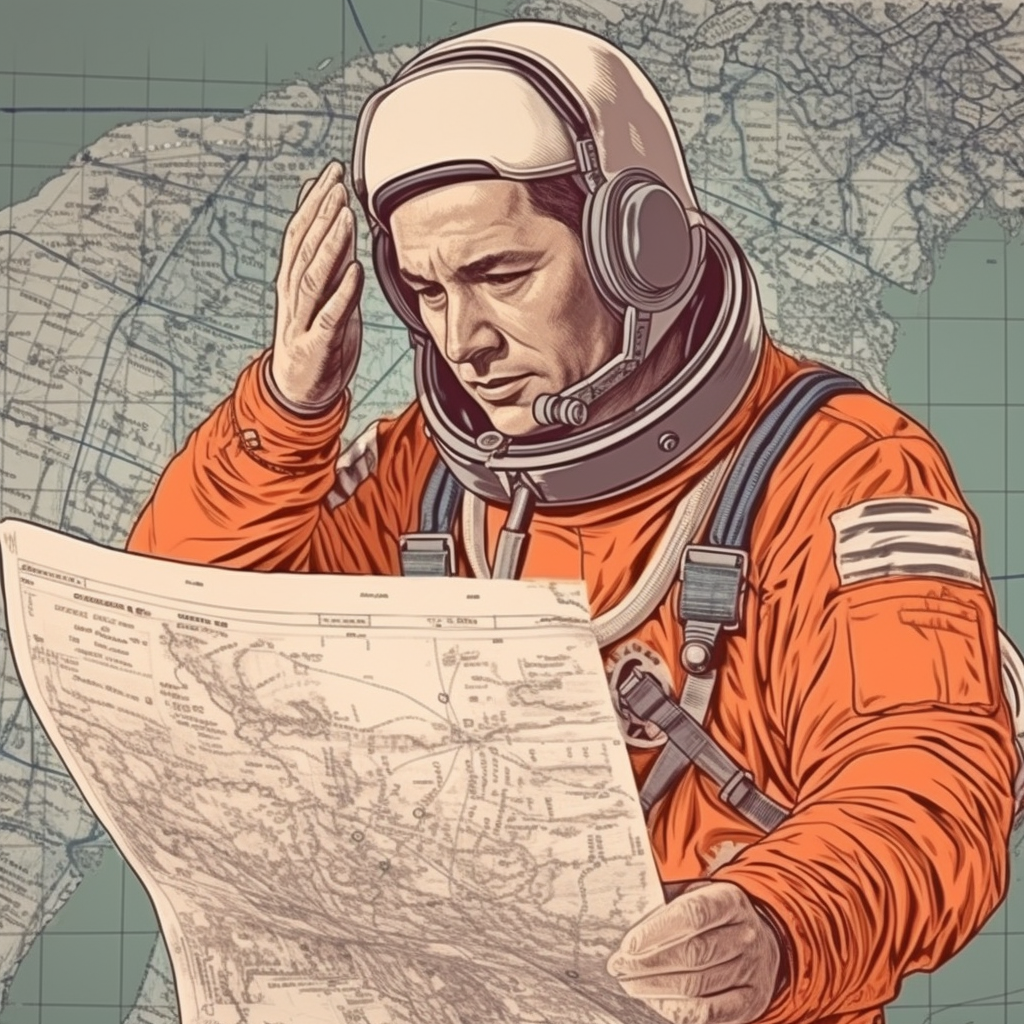
One thing that’s changed: it depicts humans a lot better now. Weirdness relating to fingers and faces is less common than it used to be. In some cases Midjourney’s knack for photorealism can genuinely fool people, as happened with a viral image of Pope Francis several months back. The details never quite line up—in the above picture, note the gibberish on the map, and the hairline on the second gentleman from the left—but it easily passes muster at first glance. People are going to have to develop a finely trained sense of AI’s quirks if they want to distinguish fact from fiction. This has obvious implications for any notion of common reality, which was screwed up enough to begin with.


On the less realistic side of things, it can be tremendous fun running prompts through the Midjourney client and seeing what mad dreams it spits out. ChatGPT, by comparison, isn’t remotely as interesting—its strict safeguards and fundamental lack of writing chops make it a patent mediocrity, at best, and an insufferable hall monitor at worst. It objected when I asked for something as mild as a Harry Potter rewrite set during the 1990s breakup of Yugoslavia1. Midjourney, as you can see, showed no such compunctions:


I’ve also had some success using Midjourney to visualize characters from my fiction. It takes a lot of tweaking to get right, and the cast of my current novel—a bunch of bird-lizard aliens—are a hopeless cause, but with enough patience, the results for my human characters can end up strikingly close to what I imagine. Here are some fine men and women from books you’ll see down the road:


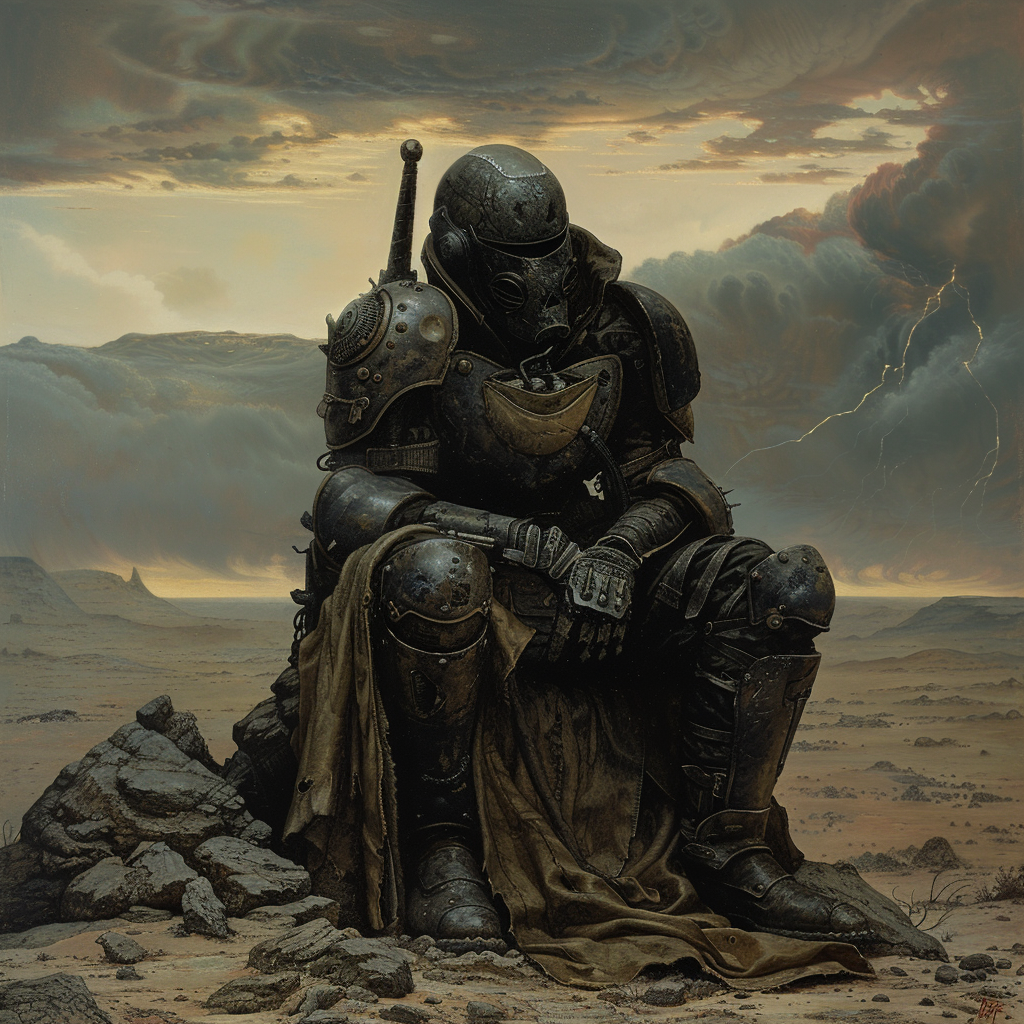
For all my experimentation, I am still a relative amateur. My dad, meanwhile, has really taken to it, developing a knack for channeling output in desired directions. I’ll walk past his computer and he’ll have the Midjourney bot up and running, processing iterations on an eye-popping fantasy castle or a D&D character. He’s gotten to the point where he’s actually trying to sell his skills as an AI whisperer; if you will permit me a shameless plug, you can find his work here on Patreon, and I’ll drop a few samples below, to show you what a Midjourney power user is capable of:


Gorgeous stuff, right? Midjourney can obviously help to produce exceptional character portraits; details are where it falls flat, sometimes spectacularly so, which is one reason why I refuse to trust a machine with the really important work. Another is that I feel it’s important to support human artists against the algorithms threatening to devalue their labor. In this case, I put my money where my mouth is—I recently spent $400 commissioning a flesh-and-blood human to do the cover art for my upcoming2 book. I’ll unveil the result in due time, but suffice it to say that it helps to have an illustrator with critical thinking skills. Midjourney could never have done what he was able to do.

For me, Midjourney images find their best use as a means of creatively goofing off, or of populating spaces, such as this blog, which would otherwise be filled with the royalty-free dregs of Wikimedia Commons. They’re great for quick splashes of color and close-enough depictions. But are such images art? I would argue that in a strict sense, they are not, because art requires conscious intent—even if people like my dad can work wonders with prompts and iterations. As we dive into the temptations of imagery-on-demand, let’s remember not to elevate this software too highly.
That’s it for today, folks! I’ll have a piece next Monday about a mystery of the Space Race: the Soviet Union’s so-called Lost Cosmonauts.

- My friends put me up to it. They’re great influences, I assure you. ↩︎
- “Upcoming” is a tad generous—it’ll be a while. ↩︎
Discover more from Let's Get Off This Rock Already!
Subscribe to get the latest posts sent to your email.